The Influence of Oak and Time
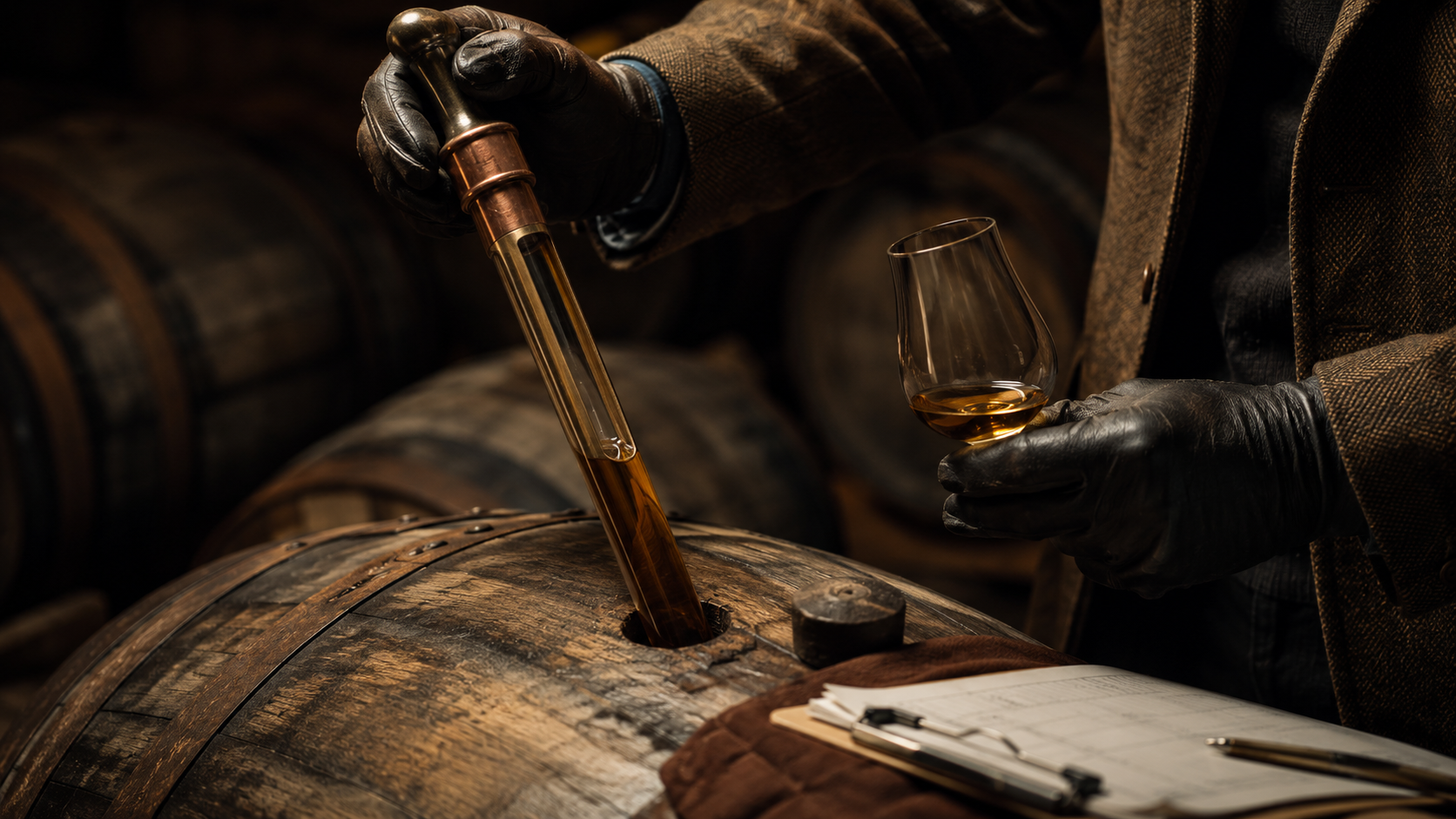
Whisky does not simply sit in a cask waiting to be bottled. From the moment spirit enters the wood, a complex exchange begins between the liquid and the oak — a process shaped by the wood's previous contents, its porosity, the temperature of the warehouse, and the interaction between oxygen and spirit over time.
Different cask types produce markedly different results. An ex-bourbon barrel will impart different character to a maturing Scotch whisky than a sherry butt. A wine cask brings different notes entirely. The age of the wood, the number of previous fills, and the position of the cask within the warehouse all play a role.
The 'angel's share' — the portion of spirit that evaporates naturally through the wood — varies by location and climate. Warehouses in warmer, more humid environments see greater annual loss than those in cooler, more stable conditions. Over decades, the cumulative effect can be significant, reducing both volume and changing the concentration of the remaining spirit.
For collectors, understanding the basics of maturation helps frame expectations — and helps explain why each cask is a genuinely individual holding with its own character and potential future. Two casks filled at the same distillery on the same day, placed in different positions within the same warehouse, may taste meaningfully different after a decade of maturation.